

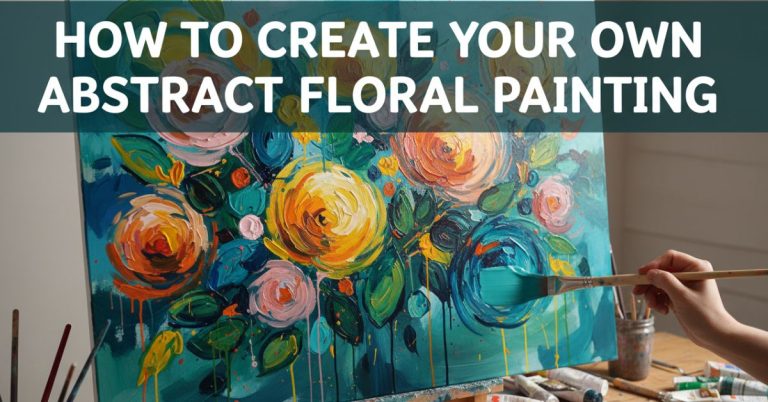
Creating your own abstract floral painting is not about copying a perfect rose or sketching petals with precision. It is about movement, color harmony, and emotion flowing onto the canvas. Unlike traditional botanical illustrations, this style allows freedom. You decide how bold the strokes are, how soft the blends feel, and how expressive the composition becomes.
If you are exploring abstract floral painting for beginners, this guide will walk you through each stage in a simple, practical way. No complicated art terms. No strict rules. Just creativity and confidence.
Why Go for Abstract Instead of Realistic Flowers?
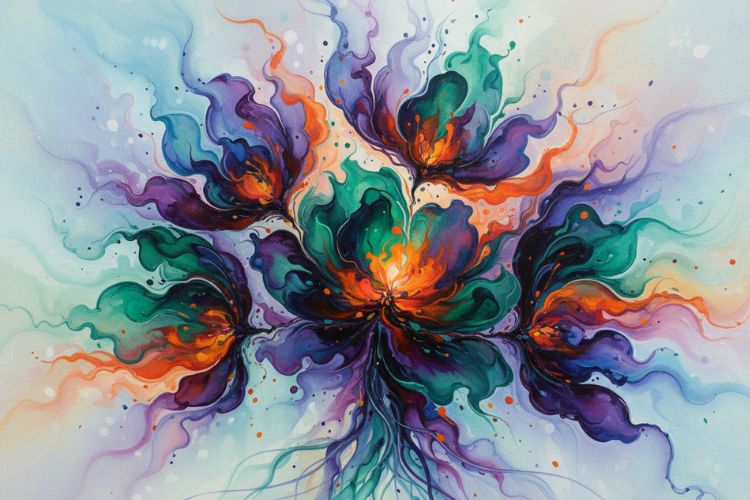
Painting flowers in a realistic style usually means focusing on tiny details, clean outlines, and accurate shading. You have to think about proportion, light, and structure. While that approach can be beautiful, it often feels technical and controlled.
Abstract florals offer a completely different experience. Instead of copying nature exactly, you express your impression of it. You do not need to define every petal. You can suggest shapes using soft blends, layered tones, and textured strokes. The goal is not perfection but feeling.
This is why floral abstract art looks so striking in home interiors. It feels fresh, artistic, and personal. Pairing your original work with abstract floral art prints can create layers and depth, making a space feel curated and visually engaging. Each brush movement is unique, which means every painting carries its own character and reflects your mood and creativity rather than strict realism.
Setting Up Before You Begin
Before you dip your brush into paint, prepare a comfortable space. Choose an area with natural light and protect the surface with old newspaper or cloth. Keep your materials within reach:
- Stretched canvas or heavy art paper
- Acrylic paints (easy to control and quick-drying)
- Flat and round brushes
- A palette knife for texture
- A water jar and a cloth for cleaning
You do not need expensive supplies. Creativity grows from practice, not price.
Choosing a Color Direction
Color selection determines the overall atmosphere of your artwork. Decide whether you want a calm, airy feeling or something bold and dramatic.
- Soft pastels create a peaceful look.
- Earth tones give warmth and depth.
- High-contrast shades like navy and blush feel contemporary.
Limit yourself to three or four main hues. Too many tones can overwhelm the canvas. When planning your abstract floral painting, think about where it will hang. Matching shades to your interior design makes the final result more cohesive.
Building a Background That Sets the Mood
Start by brushing a thin layer of diluted paint across the canvas. Use relaxed, sweeping movements to spread the color evenly. Blend two tones softly so they fade into one another without becoming dull. Gentle variations in shade give the surface depth and prevent it from looking plain.
You might choose subtle neutrals like creamy beige or misty gray, or apply sheer layers gradually to create a richer backdrop. This first step influences the overall mood of your artwork. Give it a little time to settle before adding new paint, since acrylic dries fast and makes layering easy.
Allowing the Blooms to Emerge Freely
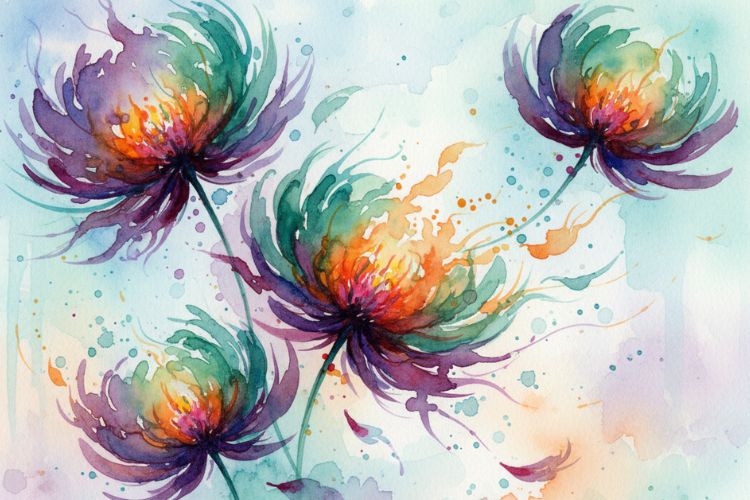
This is the moment when your canvas starts to come alive. Rather than sketching clear outlines, let the flowers form through gentle, rounded strokes. Move your brush in soft motions, pressing and lifting to create loose petal-like shapes. There is no need to define every edge. Suggest the form and let the viewer’s eye complete it.
Keep your hand relaxed so the blooms feel organic. Use a slightly darker shade near the center and a lighter tone on the edges. Leave small areas of background showing to keep the composition airy.
If you are exploring abstract floral painting for beginners, remember that small, irregular details add personality. The beauty of this style comes from freedom and flow, not precision.
Using Texture for Visual Interest
Flat paint can look dull, so bring energy into your work by changing how you apply it. Spread thicker paint with a palette knife to create raised areas that catch the light. Lightly dab with a sponge for a softer effect. Even the edge of a card can produce subtle marks and interesting lines.
These floral painting techniques help you build depth without relying on complicated drawing. Uneven layers, varied strokes, and textured touches give the artwork movement and make it feel expressive and full of life.
Adding Leaves and Supporting Elements
To make your flowers feel grounded, add some leaves and stems. Use long, flowing strokes and mix greens with hints of blue or brown for a more natural look. Avoid making everything perfectly symmetrical. A little randomness makes your composition feel alive and organic.
Remember that empty space matters too. Leaving some areas simple gives the eyes a place to rest and prevents the painting from feeling crowded. Step back often and look at your abstract floral painting from a distance. It helps you see the overall balance and make small adjustments.
Creating Light and Contrast
Highlights bring energy to your design. Add small touches of white or pale yellow to petal edges. Introduce deeper shades behind focal flowers for dimension.
Contrast prevents the artwork from looking flat. A soft background combined with bold blooms creates depth. This subtle layering is one of the most effective floral painting techniques you can practice.
Knowing When to Stop
One of the hardest parts of painting is deciding when it is finished. When you are enjoying the process, it is tempting to keep adding more color or extra touches. However, too many adjustments can take away from the freshness of the piece.
A strong result, especially in abstract floral painting for beginners, often feels clean and well-balanced rather than overloaded. Pay attention to how the composition feels instead of searching for perfection. If everything looks harmonious and nothing feels distracting, it may be time to put the brush down.
Art is not about covering every inch of space. It is about flow, balance, and allowing certain areas to remain calm. Sometimes the beauty lies in what you choose not to add.
Letting It Dry and Preserving the Finish
Once you are satisfied, give the painting enough time to dry fully. Acrylic paint sets quickly, but it is still important to make sure the surface is completely dry before sealing it.
Applying a clear varnish can deepen the colors and protect the surface from dust and minor damage. A matte finish keeps the look soft and subtle, while a glossy coat adds brightness and shine.
Styling Your Artwork at Home
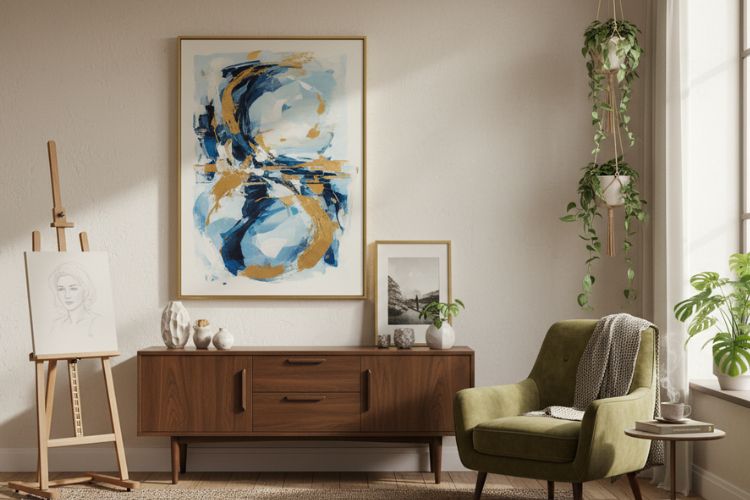
Once the varnish has fully dried, your painting is ready to be showcased. It can stand out as a statement piece above a sofa or bed, or become part of a thoughtfully arranged gallery wall. Pairing your original work with complementary framed pieces can add depth and create a layered look.
If you prefer clean lines and simple décor, you may find inspiration in modern floral paintings. Blending a minimalist setting with expressive brushwork can give your space a polished yet creative atmosphere.
Tips to Strengthen Your Skills Over Time
- Practice regularly and give yourself time to grow. Improvement happens step by step.
- Experiment with different color palettes to discover what feels natural to you.
- Try painting on various canvas sizes to understand how scale changes the overall look.
- Work in layers instead of finishing everything at once. Build depth gradually.
- Take photos of your artwork to spot balance or spacing issues more clearly.
- Explore small details like metallic accents or added texture for variety.
- Learn something from every new abstract floral painting you create.
Exploring Composition Variations
To expand your creativity, test alternative layouts:
- Cluster flowers in one corner for asymmetry.
- Spread blossoms diagonally for movement.
- Create oversized petals for dramatic effect.
This experimentation strengthens your understanding of proportion and scale. As you refine your technique, your floral abstract art will naturally become more cohesive and expressive.
Mistakes That Can Affect Your Final Result
Every painter runs into small hurdles, especially while learning. One common issue is using too many bright or strong colors at the same time, which can make the artwork feel busy instead of balanced. Overmixing paint is another mistake, as it can turn beautiful shades into dull, muddy tones.
Making every flower the same size can also make the composition look repetitive. A lack of clear contrast between the background and the blooms may cause the design to lose depth and impact.
By noticing these habits early, you can improve the overall finish of your abstract floral painting. Simple changes in tone, size variation, and light-to-dark balance can completely transform the final result.
Final Thoughts
Creating expressive botanical art is a relaxing and rewarding experience. You do not need formal training to begin. With simple materials, patience, and curiosity, anyone can explore this creative path.
Whether you are experimenting with layered brushwork or refining subtle floral painting techniques, remember that personal expression matters more than perfection. Each canvas becomes a reflection of your mood and imagination.
Start small. Stay consistent. Over time, your confidence will grow, and your artistic voice will become clearer with every new abstract floral painting you create.
