

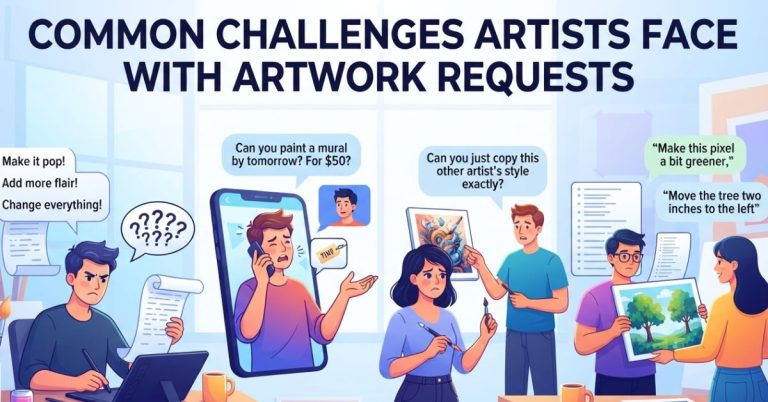
Artwork requests can be exciting, but they also come with challenges that many people never see. Unclear instructions, changing expectations, repeated revisions, and tight deadlines are just a few artwork challenges artists deal with while trying to bring a client’s vision to life. These issues can affect the creative process, project timelines, and even the final result.
Most artist problems are not caused by a lack of skill. They usually happen because important details were never discussed or expectations changed after the work began. Whether you receive occasional artwork requests or work with clients every day, understanding these common challenges can help you communicate better, avoid unnecessary setbacks, and create a smoother experience for everyone involved.
Why Some Artwork Requests Become Difficult Before the Work Even Starts?
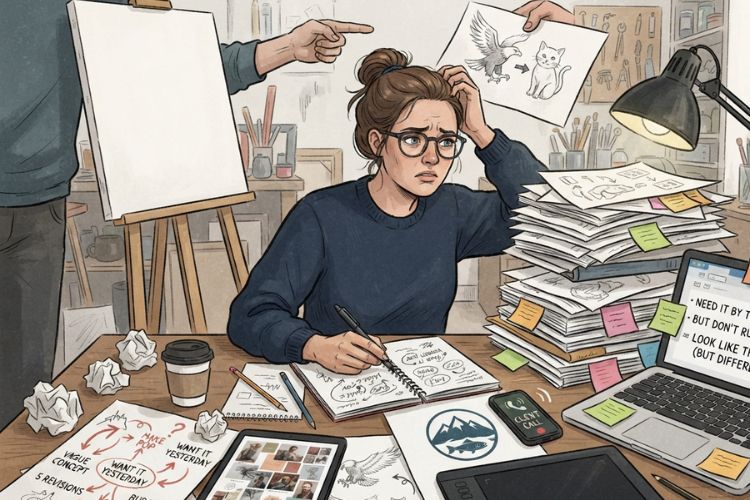
Many projects become complicated long before the first sketch is drawn. A client may have a clear picture in their mind but struggle to explain it, or they may leave out important details because they assume the artist already knows what they mean. These small gaps often grow into larger artwork challenges once the creative process begins.
Artists also have a responsibility to ask the right questions before accepting a project. Learning about the purpose of the artwork, preferred style, size, deadline, and budget creates a stronger starting point for everyone involved. Clear conversations reduce unnecessary artist challenges, improve communication, and help establish an organized artist workflow.
The Value of a Clear Project Brief
A detailed project brief gives both the artist and the client something concrete to work from. Instead of relying on assumptions, it outlines important information such as reference images, color preferences, dimensions, deadlines, and intended use. A well-prepared custom artwork request also helps artists estimate the time and effort required before they begin.
Some clients fear that giving too much information stifles creativity, but this is rarely the case. When clear instructions are provided, it helps artists be creative without having to guess. Moreover, it avoids the majority of artist issues that come about due to changed expectations from the lack of communication of crucial information.
Managing Expectations Without Compromising Your Creative Style
Every artist develops a style that reflects their experience, techniques, and creative approach. It is often the reason clients decide to work with them in the first place. Even so, some art requests ask for something that falls outside an artist’s strengths or closely resembles another creator’s work. Finding the right balance between flexibility and authenticity is one of the most common artwork challenges artists face.
Being receptive to feedback doesn’t imply accepting every demand. Sometimes, the changes make the artwork better, whereas in other instances, they take it farther from what the artist envisioned without offering any value. Open discussion of the possibilities makes sure that everyone is on the same page. Clients like it when things are kept in plain sight, and an artist is more willing to deliver the work when expectations are realistic.
Scope Changes, Revisions, and Other Problems That Slow Projects Down
A project may begin with a simple idea, but it does not always stay that way. New characters, different backgrounds, extra design elements, or repeated revisions can slowly turn a manageable commission into a much larger job. These changes are one of the biggest artwork challenges because they affect both the timeline and the amount of work required.
The artists will be able to bypass all of these problems if they set up a limit of revisions and document any changes before proceeding further with the artwork. Moreover, the creation of documents on the approved ideas will help to clear out any conflicts in case the client changes his or her mind.
Conversations About Pricing, Deadlines, and Usage Rights
It is often challenging for many artists to handle business talk compared to handling the art itself. Clients can decide to compare prices regardless of the experience and the amount of time needed to produce the artwork. There are others who ask for short periods to deliver without realizing how this affects the outcome of their work.
Another aspect that may cause misunderstanding is that of ownership. Not always does the purchase of an artwork imply the transfer of copyright or the right to use it for commercial purposes. Understanding the distinction between personal use and commercial use before embarking on a particular assignment is important to avoid complications once the job is completed. Whatever the frequency of art requests from the artists, doing so helps avoid any kind of conflict in the future.
Building a Better Process for Future Artwork Requests

Every completed project teaches artists something new. Sometimes the lesson is about improving communication, while other times it is about setting clearer expectations before accepting the work. A consistent process helps reduce repeated artwork challenges and allows artists to spend more time creating instead of fixing avoidable issues.
Small changes can be significant. Client questionnaires, writing down crucial decisions, collecting all feedback into one document, and reviewing all project information before starting a new step make projects easier to handle. These activities will benefit both the project and the client as well, since he will understand all expectations at each stage.
Small Habits That Prevent Bigger Problems
Many successful artists have systems instead of relying on memory. By keeping all communication in one place, saving approved drafts, and documenting client-requested changes, they create a clear record that both sides can refer to throughout the project. These small habits reduce confusion, prevent many artist problems, and make future art requests easier to manage. They also give artists more time to focus on creating original artwork instead of resolving avoidable misunderstandings.
Conclusion
There are no projects that do not have any hurdles. Every artist will face changing concepts, unforeseen revisions, and difficult clients to understand what they need. The thing that distinguishes successful artists is not the ability to avoid these problems but the presence of a system on how to deal with them. Clear communication, proper expectation management, and careful planning can minimize the risks associated with the creation of artwork. Good boundaries, good questions, and decision making will result in better work.
If you want to purchase works of art made with thought and created on an individual level, then you should definitely consider the Abstract Floral Art. Instead of producing standard designs, the studio makes its floral-inspired abstract paintings that are unique and tell a certain story. The collaborative nature of the work also makes it easier for clients.
Frequently Asked Questions
What are the biggest artwork challenges artists face?
Common art creation problems are a lack of clear communication, changing demands, unlimited changes, time constraints, and copyright issues.
Why is a project brief important?
A project brief gives artists the information they need before work begins, reducing confusion and helping projects stay on schedule.
How can artists handle revision requests professionally?
There should be some revision limitations set, approvals recorded, and any further revisions discussed prior to starting.
What should clients include in artwork requests?
Clients should provide reference images, dimensions, preferred style, intended use, budget, and deadlines to help artists understand their expectations.
Why do artists sometimes decline commissions?
Sometimes, artists refuse to work on some artwork commissions since they do not correspond to their style or experience.
