

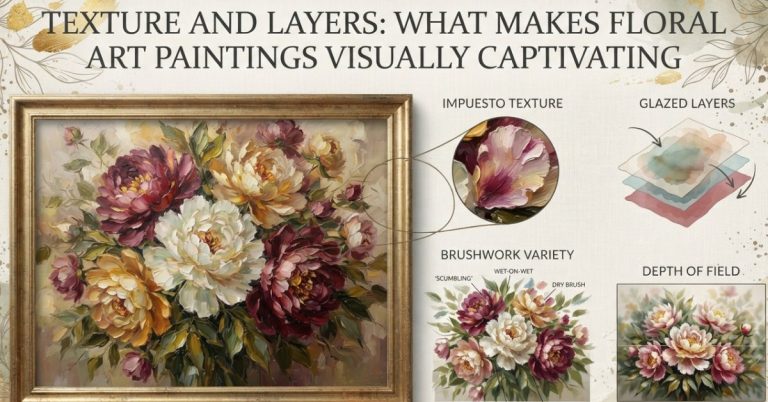
Some paintings capture attention immediately, while others invite people to stop and look a little longer. Floral artwork often falls into the second category. A viewer may first notice the colors and flowers, but the details beneath the surface are often what make the piece memorable.
The element of texture and layering contributes significantly to the experience as well. It adds a sense of depth and movement and brings a painting to life. Regardless of whether the painting is traditionally styled or takes on the style of contemporary floral paintings, the elements of texture and layering can turn an ordinary painting into one that is aesthetically pleasing. Appreciating texture and layering can shed light on why some paintings stand out.
How Texture Brings Floral Art Paintings to Life?
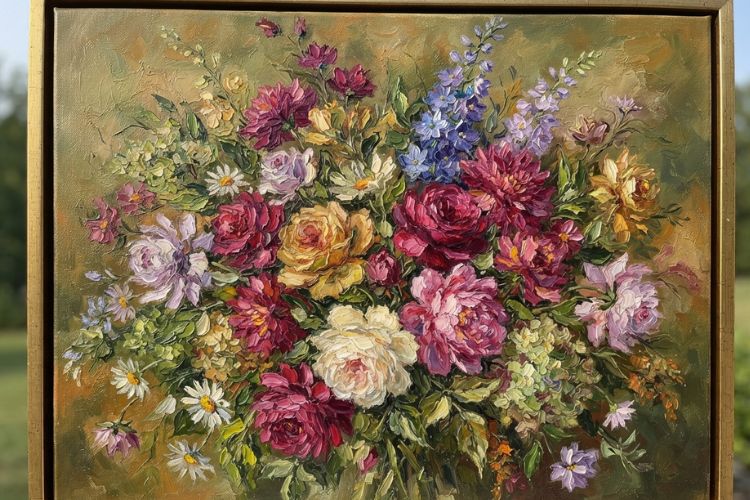
Texture is one of the elements that gives a painting personality. It changes the way light interacts with the surface and adds visual depth that cannot be achieved through color alone.
Before exploring specific techniques, it helps to understand why texture matters. Without it, many paintings can appear flat. With it, flowers seem more detailed, expressive, and dynamic.
Creating Depth Through Surface Details
Artists construct texture using elements like brush stroke, layers of paint, and even palette knife work. This gives an artistic variation on the surface, which helps make the flowers, foliage, and background more dimensional.
In many cases, viewers may not consciously notice the texture at first. Instead, they simply feel that the painting has more depth. That’s one reason floral texture art continues to appeal to collectors and interior designers. The surface details add complexity without making the artwork difficult to understand.
Texture also encourages people to spend more time looking at a piece. As light shifts across the painted surface, different details become visible, creating a richer viewing experience.
Adding Movement and Visual Interest
Movement is an inherent trait in flowers. The petals expand, the stems sway, and the blooms dance in the breeze. Textures are used by many painters to add a sense of movement to their artworks.
Many times, instead of achieving smooth textures, artists choose to have noticeable brushstrokes and textured paint spots. Such techniques serve to lead the viewer’s gaze through the artwork, creating a feeling of dynamic movement.
People looking to buy floral art paintings often find themselves drawn to pieces with noticeable texture because they feel more expressive and unique. Even simple floral compositions can become visually striking when texture is used thoughtfully.
How Layers Add Dimension to Floral Compositions?
While texture works on the surface, layering helps build depth within the composition itself. It allows artists to create relationships between different elements and give viewers a stronger sense of space.
Many of the most engaging floral art paintings rely on careful layering to achieve a balanced and natural look.
Building Depth Through Overlapping Elements
Flowers tend to occur in groups rather than being singularly placed. In nature, there are overlapping petals, flowers behind leaves, and stems in between arrangements. Artists replicate this effect by making layers in their artwork.
The foreground flower can be painted larger and in greater detail, while the background component is fainter in contrast to create depth. Most layered floral paintings incorporate depth creation by overlapping components to add realism and avoid crowding in the composition.
Layering is also one of the reasons many modern floral paintings feel immersive. The eye continues discovering details as it moves from one part of the artwork to another.
Creating Balance Without Overcrowding the Artwork
Adding more elements does not automatically make a painting better. In fact, too many details can make an artwork feel chaotic. Effective layering helps artists avoid that problem.
By carefully arranging flowers, foliage, and background elements, artists create a sense of order within the composition. Some areas may contain rich detail, while others provide visual breathing room.
The equilibrium plays a vital role in creating layered flower paintings wherein various components must be combined without interfering with each other. In such cases, the painting appears complete and in harmony rather than being cluttered.
Many examples of floral texture art combine both layering and texture to achieve this effect. The layers create structure, while the texture adds character.
Why Texture and Layers Capture the Viewer’s Attention
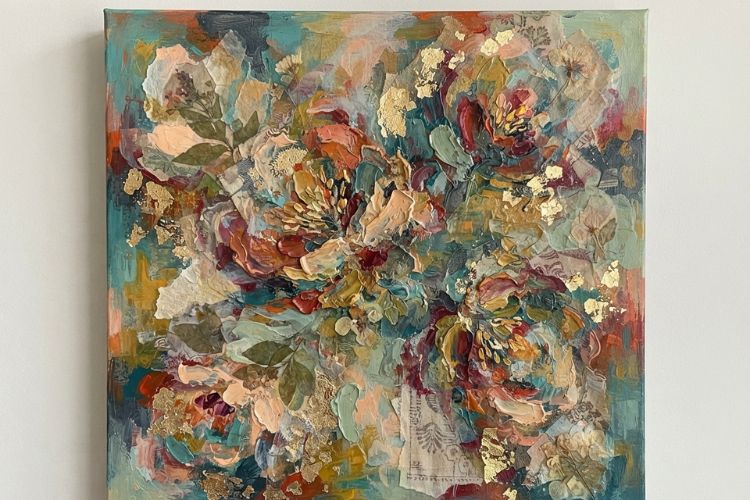
Texture and layering work individually, but their greatest impact often comes when they are combined. Together, they create paintings that feel more dynamic, engaging, and emotionally expressive.
These qualities help explain why certain floral art paintings leave a stronger impression than others.
Creating a More Engaging Visual Experience
Most people have an innate need to see something fresh every single time they look at an art piece. The texture helps achieve that since they keep discovering details through layers.
One may start by recognizing the presence of flowers. Then, one may discover how the brushstroke was done, the background, and the relations between different parts.
When browsing flower paintings online, many people are naturally drawn to pieces that show visible depth and dimension. Even through photographs, texture and layering can help artwork stand out from flatter compositions.
Adding Character and Emotional Impact
Texture and layering don’t just enhance visual aesthetics. Texture and layering can also affect how a painting feels. Soft textures can help generate a sense of serenity, and strong brushstrokes can bring a sense of energy to a painting. Likewise, layers can inspire emotions of plenty and growth. These feelings make artwork all the more meaningful.
This is one reason hand-painted floral art continues to hold a special appeal. The visible marks left by the artist add a personal element that printed reproductions cannot fully replicate. Viewers often connect not only with the flowers themselves but also with the creative process behind them.
The same principle applies to contemporary floral art paintings and more traditional works. Regardless of style, texture, and layers, they help create a stronger emotional connection between the artwork and the viewer.
Wrapping it Up
Floral art paintings are more than just colorful and interesting topics. Texture and layers are also important for the appearance and overall feel of the painting. Texture and layers add depth and make the painting dynamic, allowing the viewer to analyze it for longer periods of time.
Texture and layers can be found not only in classical art pieces but also in modern floral paintings and elaborate layered floral paintings. The next time you see floral art paintings, it might just be the layers and textures that catch your eye.
FAQs
What factors make textured flowers in painting possible?
Texture can be brought about by the use of brush strokes, layers of paint application, and the use of the palette knife technique, among others.
Why is layering important in floral compositions?
Layering helps create depth, organize different elements within the artwork, and make floral arrangements feel more natural and balanced.
How does texture and layering influence the final outcome of a painting?
It gives the painting more life in terms of added elements, such as motion and depth, in order to make it visually appealing.
Are textured floral paintings suitable for modern interiors?
Yes. Textured floral paintings can work well in modern interiors because they add depth and visual interest without requiring overly complex designs. Many homeowners use them to introduce warmth, character, and a more artistic feel to contemporary spaces.
