


Artwork can completely change the feel of a room. The right piece can bring warmth to a space, create a focal point, or help tie different design elements together. That’s why selecting artwork often involves more thought than simply choosing something attractive.
An art shop typically looks beyond the artwork itself and considers how it will work within a particular environment. From color palettes to furniture styles, many factors influence the curation process. The goal is to help customers find pieces that feel like a natural part of their space rather than an afterthought.
Understanding the Space Before Choosing Artwork
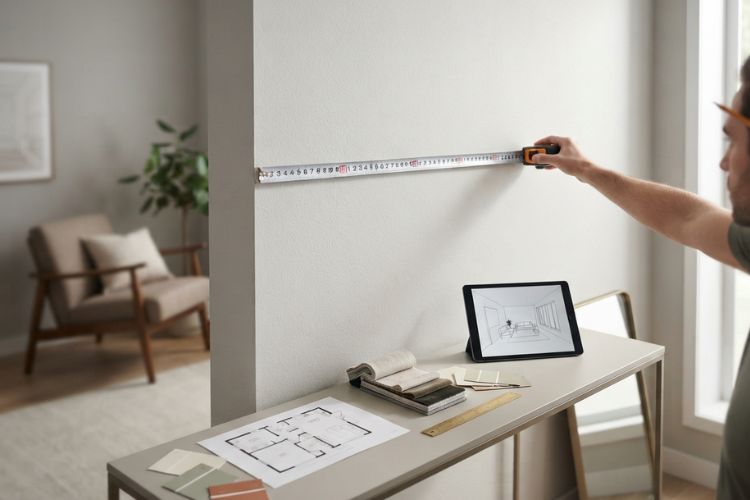
Before recommending any artwork, an art shop needs to understand the space where it will be displayed, this step helps ensure that the artwork complements the room rather than competing with it.
- Evaluating Interior Style and Existing Decor
The first thing many curators consider is the overall design style of the room. A modern apartment may call for different artwork than a traditional living room or a rustic home office. Furniture, finishes, and decorative elements provide important clues about what types of artwork will feel appropriate within the space.
- Considering Color, Texture, and Room Function
Color has significant importance in selecting the artwork. Some clients opt for artworks that fit well into their color schemes, whereas some seek artworks to introduce some contrast into the scheme of things. The texture of the artwork is another important aspect of the selection process when it comes to the interior of rooms with natural elements, metal décor, or fabric.
- Identifying the Desired Mood and Visual Impact
There are individuals who seek art pieces that will subtly blend into the environment, while others require something that would immediately attract attention. The purpose of knowing the intended ambiance is to facilitate the selection of appropriate art pieces.
How an Art Shop Curates Artwork to Complement Different Interiors?
Once the room has been evaluated, the curation process becomes more focused. This is where an art shop begins matching specific artistic qualities with the design characteristics of the space.
- Matching Artistic Styles With Design Aesthetics
Interior design styles and artistic styles tend to go hand-in-hand at times since certain designs complement specific forms of art better than others. Interior design styles that feature straight lines tend to be compatible with modern art, whereas interior design styles that are eclectic tend to suit mixed media art forms. There are also people who are attracted to contemporary art due to its versatility.
- Selecting the Right Subject Matter and Color Palette
Subject matter influences how an artwork feels within a room. Landscapes, abstract compositions, city scenes, and botanical prints all create different visual experiences. Curators also consider color relationships carefully. A thoughtfully selected palette can help artwork feel connected to the surrounding decor while still maintaining its own presence.
Many customers browsing an original art shop are looking for pieces that reflect their personality while also fitting comfortably within their home’s design style. Finding that balance is often one of the most important parts of the curation process.
- Choosing Artwork Size, Layout, and Framing
The selection of the right dimensions for a beautiful artwork is critical because it may not blend into the decor, even if the picture itself is exquisite. The curators take into account the dimensions of the painting, the viewing distance, and the furniture around n, suggesting the ideal choice.
Creating a Cohesive Collection Rather Than Individual Pieces
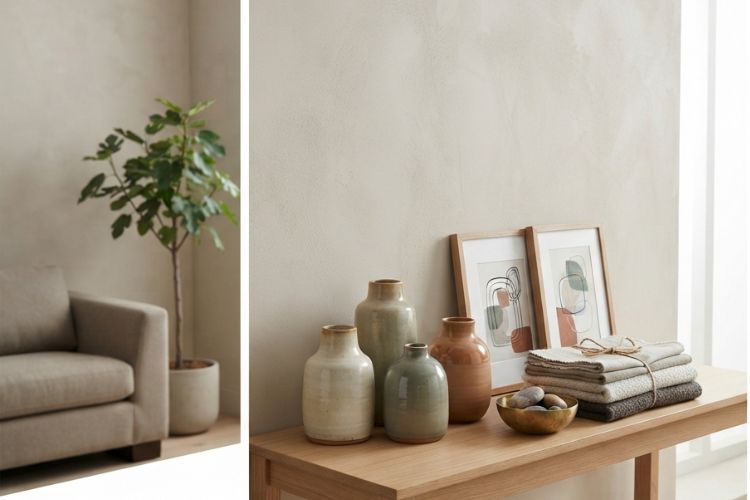
A single artwork can make an impact, but many homes feature multiple pieces across different rooms. An experienced art shop often thinks beyond individual selections and focuses on how various works interact with one another.
- Balancing Statement Pieces and Supporting Artwork
All artworks need not be statement pieces. It usually pays off for large artwork statements to have accompanying smaller artworks. This makes sure that there will be visual interest in the roo,m but no sense of overcrowding in terms of artwork. Regardless of whether the artworks selected are decorative or fine, balance must be considered.
- Adapting Selections to Different Customer Preferences
Customers will have different views when it comes to artwork. Some may consider emotional connection more important than anything else, while others may take interior design into account first. An art shop must consider all possible customer viewpoints, and the best selections will address both concerns effectively.
Whether someone is searching for home decor art for a new apartment or looking to update a long-established home, personalization remains a key part of the process.
- Mixing Variety Without Losing Visual Harmony
Individuals have a tendency to exhibit art from multiple artists and varying styles. However, the difficulty lies in retaining some degree of harmony amidst the variation. To accomplish this, curators seek out commonalities within the pieces such as color schemes, themes, or compositions.
As design preferences change, many homeowners also explore trending wall art to refresh their spaces. Incorporating current styles can work well when balanced with pieces that have lasting appeal.
Final Thoughts
Curating artwork involves much more than choosing pieces that look attractive on their own. The art store takes into account the type of decor, colors, size, mood, and tastes of the individual client when offering advice. Every choice makes the artwork more compatible with its surroundings.
The ideal interior artwork should have an obvious sense of belonging. Not only will it complement the interior of the ro,om but it will also reflect the character of the homeowner while contributing to the overall mood. Regardless of whether the emphasis is placed on modern art, decorative art, or home decor art, the process of curating the pieces is what counts.
FAQs
How does an art shop select artwork to fit various interior designs?
When selecting artworks, an art shop usually takes into account the room design, color scheme, furniture, and ambiance.
Why is the size of artworks significant in interior decoration?
The wrong size of artworks could ruin the visual balance in the room. The correct sizing of artworks will help integrate them into the environment.
Will contemporary artworks look good in classical interiors?
Yes, because contemporary artworks may become quite unusual accents in classical interiors depending on their color scheme and dimensions.
