

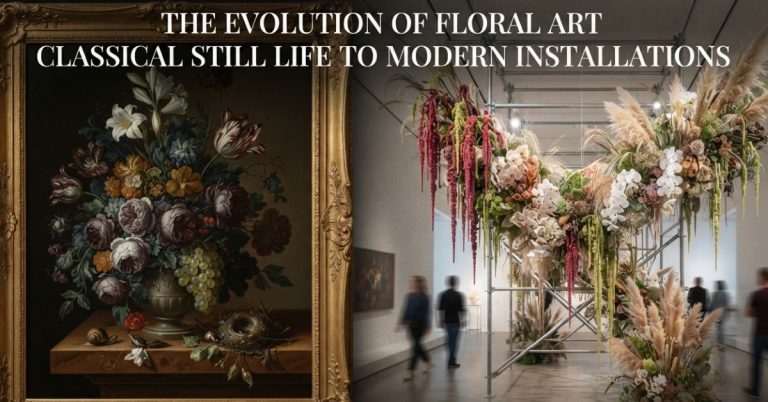
Walk through almost any art museum, and you’ll probably come across flowers. They appear in grand oil paintings, delicate sketches, sculptures, and even room-sized displays. Despite changing artistic styles, flowers have remained a favorite subject for generations of artists.
Part of their appeal comes from their versatility. A flower can represent beauty in one artwork and loss in another. It can be painted with scientific precision or transformed into something completely abstract. That flexibility has allowed floral art to evolve alongside the art world itself.
The journey from classical still life paintings to immersive floral environments tells an interesting story. It shows how artists have continued to reinterpret the same subject while responding to new ideas, technologies, and cultural influences.
Why Flowers Have Long Inspired Artists?
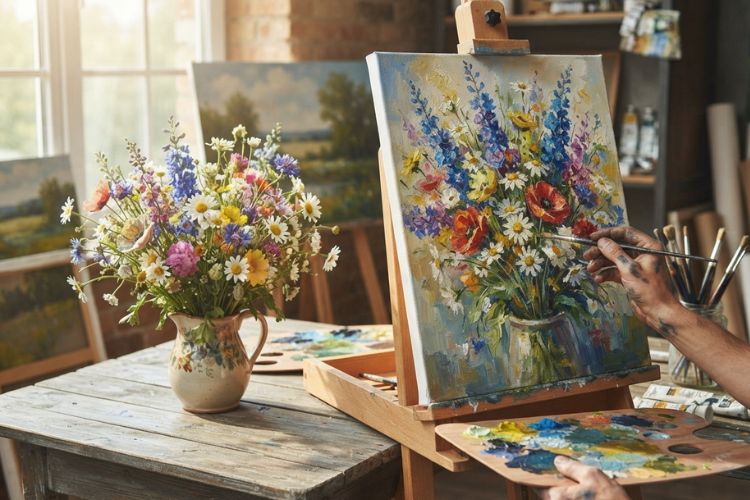
Flowers offer something many artistic subjects cannot. Firstly, they are immediately recognizable but can take on various meanings based on the situation. For example, a bunch of flowers may be associated with joy, whereas one wilting flower could signify the transience of life.
Furthermore, artists love the aesthetics of flowers. Their forms, colors, and textures can lead to endless experiments in the field of art. That is why floral art is still popular even nowadays, since artists find it easy to merge aesthetics and storytelling through flowers.
Floral Art in Classical Still Life Paintings
Long before floral exhibitions and installations became popular, flowers were already earning a place on canvas. The development of still life paintings gained momentum during the sixteenth and seventeenth centuries, allowing artists to use their skills in depicting symbolic elements.
The Origins of Floral Still Life
In the early days of floral still life painting, the natural world was becoming a favorite subject for artists. Flowers were studied in great detail, and some artists achieved stunning accuracy in depicting them in their works. It is worth noting that in most paintings, artists created unnatural combinations of flowers – combinations of various kinds of flowers blooming during different seasons of the year.
Symbolism Behind Classical Flower Paintings
In our modern times, flower paintings may be seen just as decorative pictures. However, in past centuries, flowers had a deeper symbolism attached to them. Roses symbolized love, lilies meant purity, while decaying flowers hinted at the fact that all things fade away. These elements brought another dimension into these paintings.
Techniques Used by Classical Artists
One thing that makes many of the classical works of art that depicted flowers so special and unique even to this day is their detailed approach to portraying various aspects of the plant. It was not easy to capture how the light hit a petal or how the shade appeared under leaves in a bouquet.
The Influence of Impressionism and Modern Art
By the nineteenth century, many artists were beginning to question traditional rules. Flowers remained a popular subject, but the way they were painted started to change. Accuracy became less important than mood, emotion, and personal interpretation.
Flowers Through the Impressionist Lens
Impressionist painters often focused on capturing a moment rather than recording every detail. Flowers became ideal subjects because they allowed artists to experiment with color and light. Instead of carefully outlining each petal, painters used loose brushstrokes to create a sense of movement and atmosphere. The result felt more alive and spontaneous.
New Interpretations in Modern Art
With the growth of modern art, many other artists took their art in an opposite direction. They did not paint flowers as they saw them; rather, they delved into shapes, colors, and emotions. These changes played a role in making floral abstract art popular. Instead of trying to represent flowers, artists began using flowers as inspiration for their art.
Floral Art Beyond the Canvas
With the passage of time, flowers transcended their role as elements of traditional painting into other art forms. Artists and designers began using flowers themselves to create designs that could be appreciated in real-life settings and not just on canvases.
Floral Design as an Artistic Practice
Artistic floral designing is now commonly accepted as an art form. The floral designer uses various elements such as balance, proportion, texture, and movement to develop meaningful arrangements. Flower designs, inspired by both traditions and innovations, show that flowers can indeed be used as an art medium.
Public Displays and Floral Exhibitions
Large floral exhibitions introduced flowers to wider audiences. Museums, cultural events, and public spaces began showcasing innovative botanical displays.
Many of these exhibitions highlighted both decorative floral art and conceptual artistic projects, showing the wide range of possibilities within floral expression.
The Rise of Contemporary Floral Installations
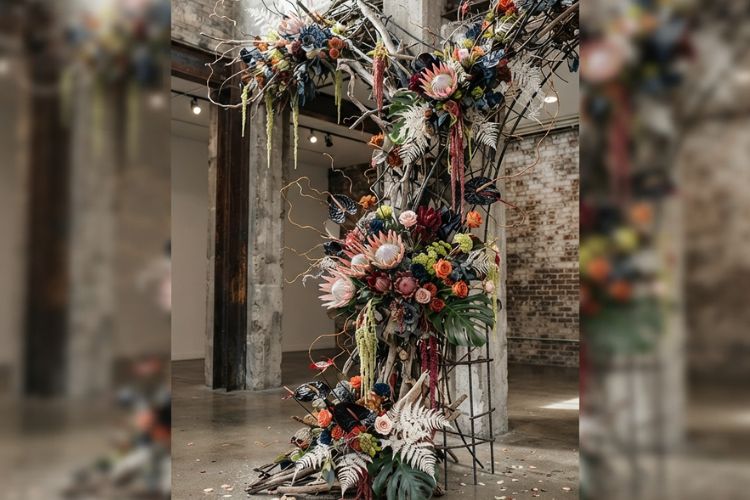
Nowadays, flowers can be much more than simple bunches of blooms put together. A lot of contemporary artists incorporate flowers into their creations to produce an entirely immersive experience for the audience by using elements of art, design, and architecture in their exhibits.
What Defines a Modern Floral Installation?
A floral installation is designed to interact with a space rather than sit within a container. It may cover walls, hang from ceilings, or guide visitors through an environment. Many installations are created specifically for a particular location, making each one unique.
Materials and Techniques Used Today
Today’s floral artists work with fresh flowers, dried botanicals, branches, recycled materials, and lighting elements. Sustainability has also become an important part of both creative floral design and artistic floral design, encouraging more thoughtful material choices and innovative techniques.
How Modern Installations Create Immersive Experiences?
A flower installation sometimes does not just depend on visual appeal alone. The incorporation of some sense like smell, light, or even interaction with the installation allows the visitor to fully immerse themselves in the experience, thus making the experience more memorable.
Influence of Culture and Society on Modern Floral Art
Modern floral art not only reflects the creativity of the artist but is also symbolic. This means that the flowers used by the artist tell more about their personality, community, or social message.
Environmental Awareness and Sustainability
With the current global concerns about environmental conservation, many artists are embracing environmentally friendly approaches to their work. The use of locally produced flowers and eco-friendly building blocks and materials has been on the rise in recent years.
Identity, Community, and Storytelling
Flowers can have cultural meanings, therefore making them suitable media through which storytelling is possible. Artists use botanical materials to explore heritage, memory, and personal experiences. Some projects invite communities to participate in the creation process. Others use decorative floral art to celebrate local traditions while adding contemporary perspectives.
How Floral Art Continues to Evolve?
The future of floristic art may involve the merger of traditions with innovations as artists keep trying to innovate with technology, sustainability, and interdisciplinary partnerships involving floral work with architecture, fashion design, and new media technologies.
Current floral art trends include the increased desire for immersive engagement and interaction of the audience with the artworks. However, at the same time, there are artists who feel more drawn towards traditional methods and materials.
Conclusion
Flowers have been inspiring artists for centuries, and their appeal shows no sign of fading. From traditional still life paintings to large-scale installations, they have continued to evolve alongside changing artistic styles and ideas.
What makes flowers such a lasting subject is their ability to feel both familiar and meaningful. People connect with them in different ways, whether through memories, emotions, or simple appreciation of their beauty. As artists continue to explore new creative approaches, flowers will likely remain a source of inspiration for many years to come.
FAQs
What is floral art?
Floral art involves the artistic application of flowers or other plant life forms in artwork such as paintings, arrangements, installations, and others.
What is a floral installation?
Floral installation art refers to a large-scale artwork made using flowers and other plant life that transforms spaces or creates environments.
What are the changes in floral art?
Floral art has seen a transformation from realistic still-life painting to innovative installation art.
